



How to Grow, Care for & Enjoy Your Castle Farm Plants
There’s something rather special about planting lavender in your own garden. Whether it’s the scent, the gentle hum of bees, or the simple joy of cutting your own bunches to bring indoors — Lavender is a plant that gives back generously.
If you’ve recently welcomed a Castle Farm lavender plant into your garden (thank you, by the way!), here’s everything you need to know to help it thrive.
Choosing the Right Lavender for Your Garden
Not all lavender is quite the same—and that’s part of the fun.
English Lavender (Lavandula angustifolia)
These are the classic, compact plants with beautifully fragrant flowers. They’re wonderfully hardy and perfect for hedging, borders, and even culinary use.
‘Folgate’ – A Castle Farm favourite. Early flowering, richly scented, and ideal for drying.
‘Imperial Gem’ – Deep purple blooms with a similar habit to Folgate.
‘Little Lady’ – A smaller, neater option—perfect for tighter spaces or pots.

Lavandin (Lavandula x intermedia)
A taller, more robust hybrid, loved for its long stems and strong scent.
‘Grosso’ – The workhorse of the lavender world. High oil yield, long-lasting fragrance, and excellent for bunches and lavender bags.
‘Phenomenal’ – A newer variety with striking dark lilac flowers.
‘Alba’ & ‘Edelweiss’ – Elegant white varieties that really stand out in borders or large pots.

Butterfly Lavender (Lavandula stoechas ‘Papillon’)
A little different, with distinctive “ears” atop the flowers. Great for pots and patios, though it will need some winter protection.

Getting the Conditions Right
Lavender is wonderfully low-maintenance—but it does have a few non-negotiables.
Sunlight is essential.
The more sun, the better. In shade, plants tend to become leggy and won’t flower well.
Drainage matters more than anything.
Lavender simply won’t tolerate sitting in wet soil—especially over winter. If your soil is heavy or tends to hold water, planting in pots is often the better option.
Soil type:
Aim for neutral to slightly alkaline soil. If in doubt, add grit to improve drainage.
Planting Your Lavender
In the garden
- Water the plant in its pot before planting.
- Dig a hole and, if you like, add a small handful of bonemeal.
- In dry conditions, water the hole first and let it drain.
- Plant and water lightly—then go easy. Lavender prefers less water, not more.
Spacing guide:
- ‘Folgate’: 40–45cm apart (great for low hedging)
- ‘Grosso’: 50–55cm apart (larger, more spreading plants)
In pots
Lavender can thrive in containers with the right setup:
- Use a mix of John Innes No.2 or No.3 with added grit
- Ensure good drainage (this is crucial)
- Avoid high-nitrogen feeds—they encourage floppy growth
- Repot as the plant grows
Watering & Feeding
Less is more here.
- Water lightly while establishing
- Once settled, lavender rarely needs watering in the ground
- In pots, check regularly during hot weather
A small amount of potash can help encourage flowering—but don’t overfeed.

Harvesting Your Lavender
One of the best bits.
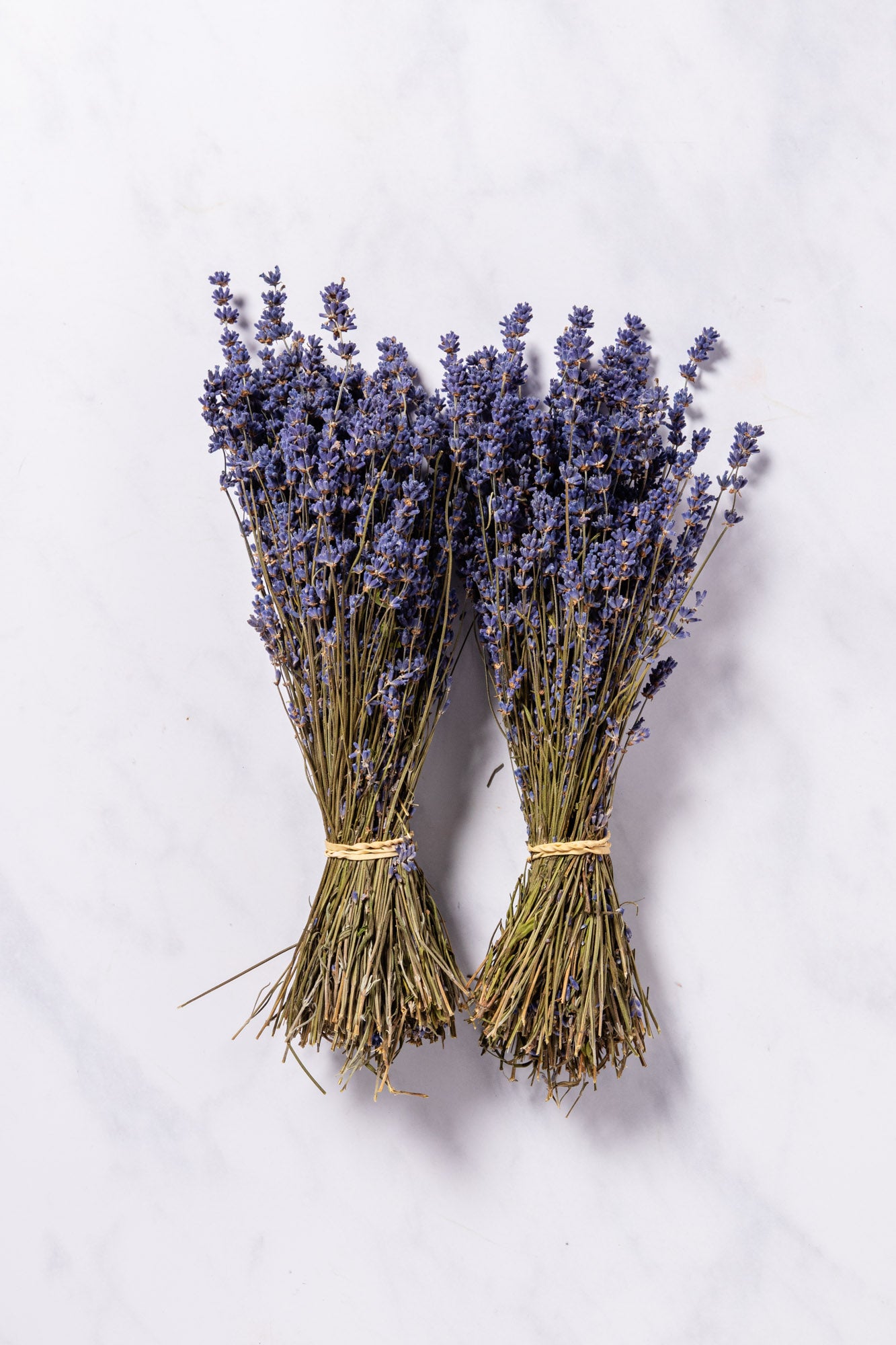
- For dried bunches: Cut when the first buds begin to open
- For lavender bags: Harvest when about half the buds are open
- For cooking: Cut fresh, dry, then store in an airtight container
Always hang bunches upside down in a warm, dark place to dry.
Pruning: The Secret to Beautiful Plants
This is the one thing you really don’t want to skip.
Prune every year—firmly.
- Best done after flowering, ideally in August
- Cut back to just above new growth (about 2–3cm)
- Never cut into old woody stems
Done properly, this keeps your plants compact, bushy, and full of flowers year after year.

Winter Care
Most lavenders are hardy, especially English varieties and lavandin.
- Plants in the ground will usually cope well
- Pots may need a little protection in very cold weather
- Avoid overwatering during winter
Do watch for late frosts in spring—they can delay flowering, but your plant will recover.
A Final Thought
Lavender isn’t just a plant—it’s an experience. From planting and pruning to harvesting and drying, it brings a rhythm to the garden that’s both calming and rewarding.
If you ever have questions, our team is always happy to help—whether you’re planting your first lavender or your fiftieth.
Happy growing 💜